
Clothing Production ERP Order Management: A Digital Source Foundation Centered on PMC
The clothing industry belongs to a typical flexible manufacturing industry with multiple styles, multi color codes, scattered processes, and frequent order changes. The traditional management mode relying on paper documents, verbal communication, and Excel ledgers is prone to problems such as information confusion, production disconnection, delivery time loss, and account disputes. As the core tool for digital management of clothing factories, the clothing production ERP system always takes PMC production material control as the core, connecting the entire business modules such as orders, procurement, production, warehousing, quality inspection, salary, and cost. among which,Order management as the source entry point of the systemIt is the starting point of all production and operation activities, directly determining the production efficiency, performance ability, and profitability of the factory, and playing a crucial role in the refinement, standardization, and digital development of clothing enterprises.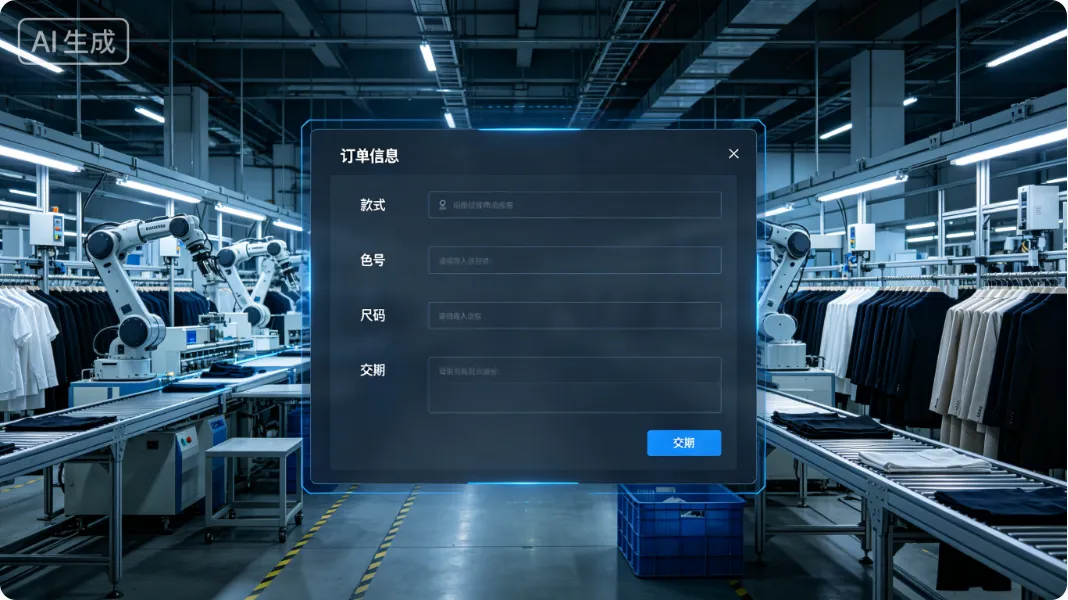
1、 The core operating logic of the clothing ERP system: supported by PMC as the center throughout the entire process
Unlike other standardized production models in the industry, clothing production has the characteristics of a large number of styles, small quantities, complex materials, frequent insertion and modification of orders, and long process chains. This also determines that the clothing production management system must be centered around PMC (Production Planning+Material Control). PMC is the overall production scheduling of clothing factories, which coordinates the entire process of receiving orders, scheduling production, material preparation, cutting, sewing, tail end, and shipping. All functional modules in the system are executed around the PMC plan.
The entire ERP system relies on ten core functions to form a closed-loop operation, including order management, PMC planning center, material control, workshop process management, quality inspection management, piece rate wage accounting, warehouse inventory, cost accounting, data report analysis, and outsourcing processing management. Each module is interconnected and data is exchanged, and order management serves as the starting port for business, providing accurate basic data support for all subsequent processes such as PMC scheduling, material procurement, and workshop production. It is the pre core for the efficient operation of the entire system.
2、 The core empowering value of order management function for clothing enterprises
1. Unified information archiving to prevent data errors, omissions, and losses
Clothing orders contain a large amount of detailed information such as styles, color codes, size ratios, process requirements, customer standards, delivery cycles, and special process notes. Traditional manual registration and paper circulation methods are prone to problems such as document loss, information copying errors, and scattered storage of data. The ERP order management function can achieve centralized digital archiving of all order information, with one click input, permanent retention, and instant retrieval, completely solving the pain points of data confusion and information asymmetry. It enables all departments to obtain orders with completely unified standards, avoiding production errors and products that do not meet customer requirements from the source.
2. Full traceability of order changes to avoid the risk of communication disputes
In the production process of the clothing industry, it is very common for customers to change styles, adjust sizes and quantities, change delivery dates, modify processes, and so on. The traditional method of verbal and scattered communication through WeChat, without records or evidence, is prone to disputes such as asynchronous information between departments, unclear division of responsibilities, and lack of accountability for rework and losses. The system order management module supports full tracking of all order change operations, recording change time, change content, operators, and customer information, forming a complete change ledger. All adjustment information is synchronized in real-time to PMC, workshop, warehouse, procurement and other departments to eliminate information lag, clarify responsibilities, and effectively reduce production rework and enterprise losses.
3. One click disassembly and distribution, connecting various departments' business operations
Orders are the source of instructions for all production work. In the traditional mode, business personnel need to manually synchronize order information to multiple departments such as planning, procurement, workshop, and warehouse, which is cumbersome, inefficient, and prone to information deviation. Relying on the ERP order management function, order disassembly can be completed with one click, and production tasks, material requirements, procurement plans, and shipping standards can be automatically synchronized according to order needs, achieving seamless connection between business, production, and supply chain ends, breaking down departmental information barriers, and enabling orderly progress of production scheduling, material preparation, production, and shipping work, greatly improving overall operational efficiency.
4. Real time progress tracking, precise control of order delivery time
Delivery time performance is the core key for clothing enterprises to maintain customers and enhance their reputation. The traditional follow-up mode relies on manual docking of workshop progress one by one, which is time-consuming, labor-intensive, and data lagging. It cannot timely detect problems such as work stoppages, delayed processes, and insufficient production capacity, which can easily lead to order delays. The order management module can real-time link workshop production data and monitor the entire process status of order production, cutting, sewing, quality inspection, completion, and shipment. Management and follow-up personnel can check the progress of orders at any time, predict production risks in advance, adjust production plans in a timely manner, handle abnormal problems, and maximize the guarantee of on-time delivery of orders, thereby improving customer satisfaction.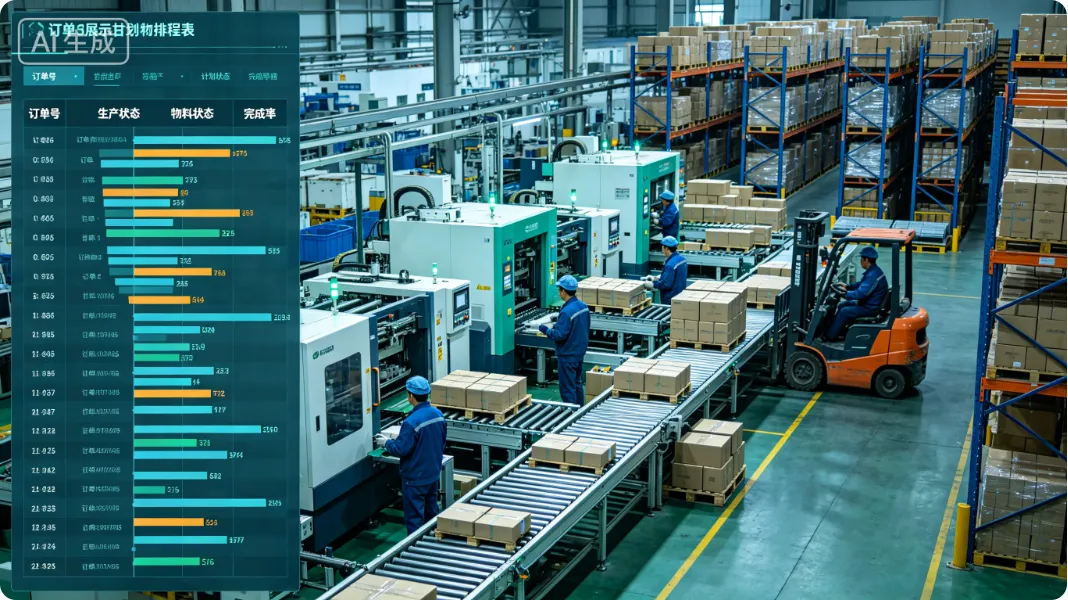
5. Standardize the basis for reconciliation and reduce financial account disputes
Order details are the core basis for enterprise customer reconciliation, payment settlement, and cost accounting. Traditional manual reconciliation relies on scattered documents, which are prone to data loss and statistical errors, often resulting in cumbersome reconciliation, discrepancies in accounts, and delayed payment collection. All original data, change records, shipment quantities, and customization requirements of orders in the system are truly retained and can be directly used as effective vouchers for financial reconciliation, processing fee settlement, and customer payment collection. The data is accurate and traceable, effectively reducing account disputes and accelerating the recovery of enterprise funds.
6. Intelligent evaluation of production capacity, scientific and reasonable acceptance of orders
Many clothing factories have the problem of blindly accepting orders, not combining existing production capacity and order load, resulting in a series of problems such as production overload, schedule accumulation, quality decline, and order delays. The order management module can link the system's production capacity data and existing order scheduling data to display the factory's production capacity load in real time, helping managers accurately evaluate their ability to accept orders, determine whether new orders can be accepted, how to prioritize production, achieve scientific order acceptance and reasonable scheduling, balance the relationship between production capacity and orders, and avoid resource waste and customer loss caused by blind production.
7. Reuse historical order data to accelerate order acceptance and new product development
The clothing industry has a fast iteration of new products, many of which are based on historical bestsellers and old models with optimized and upgraded craftsmanship. In the traditional mode, salespeople and pattern makers need to repeatedly check the process and calculate the quotation, which is time-consuming and labor-intensive. The ERP order management module can permanently retain the style information, process standards, material details, quotation data, and production loss data of all historical orders. New product orders, samples, and quotations can be directly retrieved and reused, greatly shortening the order quotation and new product sampling cycle and improving business response speed.
8. Accumulate order data to assist business decision-making
Order data is the core data of enterprise operations, directly reflecting the company's revenue situation, popular product categories, customer preferences, and order trends. The order management module can automatically analyze core data such as order volume, shipment volume, order revenue, category sales, and customer order proportion, and generate visual reports. Managers can rely on data to accurately judge market trends, optimize product structure, adjust order strategies, focus on high-quality customers, bid farewell to experiential decision-making, achieve digital and refined management, and enhance the overall profitability of the enterprise.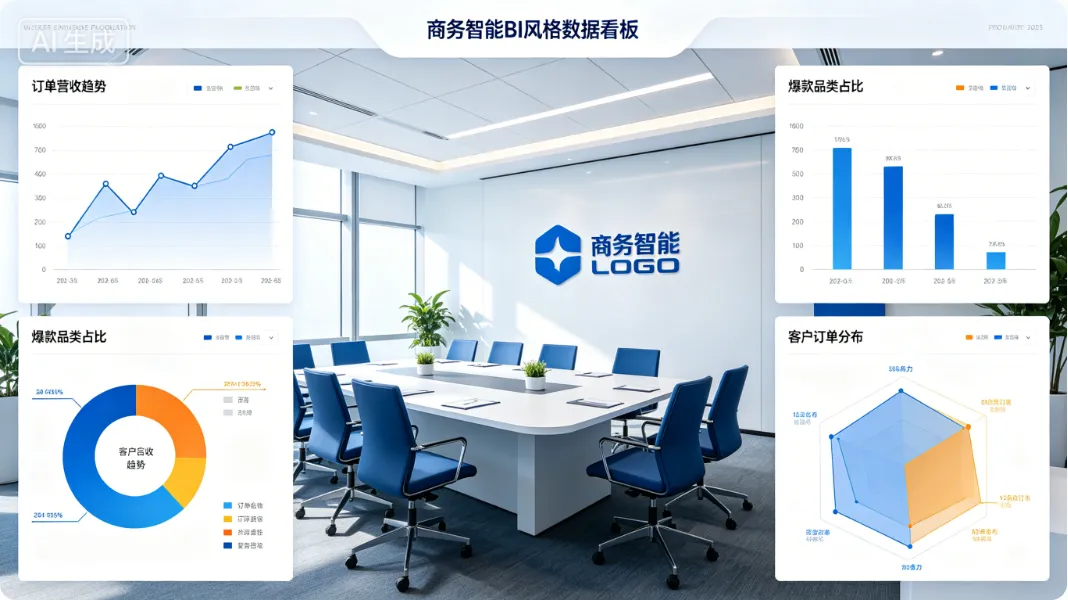
3、 Summary: Order management is the cornerstone of digital clothing production
In the clothing production ERP system with PMC as the core, order management is the source and foundation that runs through the entire process. From front-end order receiving, information standardization, change control, to mid-range production scheduling and progress control, to back-end reconciliation and payment collection, data review, and business decision-making, the order management function has connected the management pain points of the entire production and sales chain of clothing enterprises. By implementing a digital and standardized order control model, clothing companies can solve problems such as information confusion, production disconnection, out of control delivery times, and blind decision-making, effectively reducing costs and increasing efficiency, enhancing contract fulfillment capabilities and market competitiveness. This is the core foundational function for clothing factories to achieve digital transformation and upgrading.