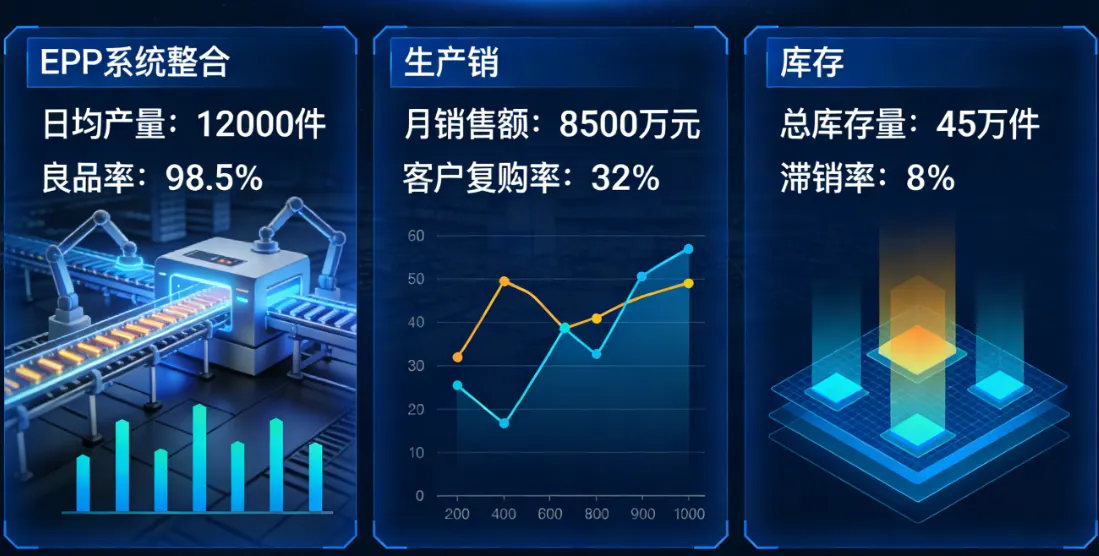
Under the wave of digital intelligence, the transformation breakthrough of the footwear and apparel manufacturing industry in 2026 and the logic of ERP empowerment
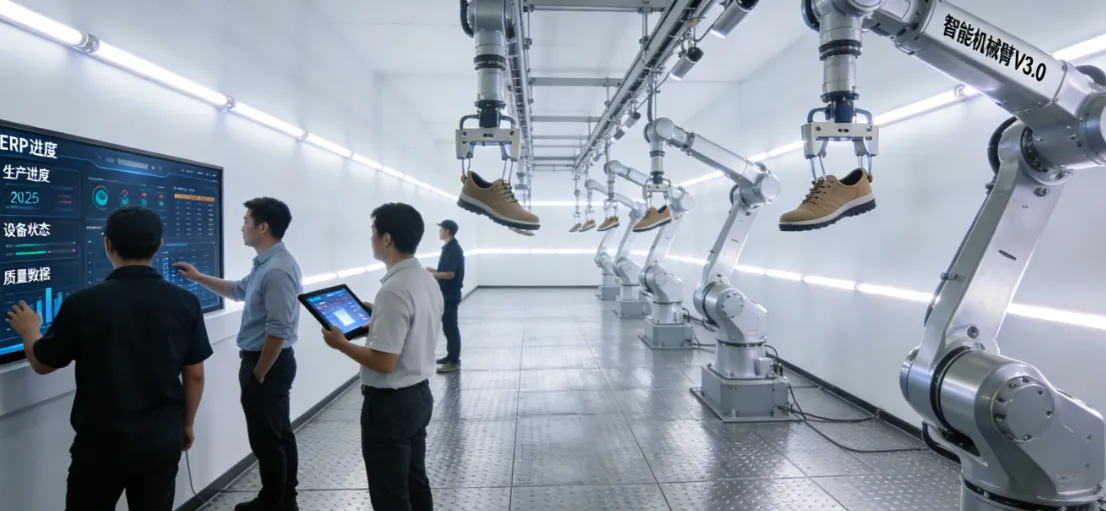
In 2026, China's footwear and apparel manufacturing industry is undergoing a triple transformation of policy guidance, consumer iteration, and technological innovation. There are opportunities for steady growth in scale, but also multiple tests of rising costs and intensified competition. As the core links of the industrial chain, the transformation speed of shoe factories and clothing factories directly determines the survival resilience of enterprises. As the core tool of digital transformation, the shoe and clothing ERP system is transforming from an "optional configuration" to an "essential infrastructure", providing support for the industry to break through bottlenecks.
From the perspective of industry development trends in 2026, greening, intelligence, and segmentation have become the core themes. At the policy level, documents such as the "Action Plan for Digital 'Three Products' in the Consumer Goods Industry (2024-2026)" continue to promote the industry's transformation towards increasing variety, improving quality, and creating brands. The construction of a green manufacturing system has become a mandatory requirement, and shoe and clothing enterprises are adopting environmentally friendly materials such as water-based adhesives and recycled fibers, promoting the transformation of clean production processes, and striving to meet the national target of reducing energy consumption per unit of industrial added value. On the market side, consumer demand is showing a diversified upgrade. Generation Z prefers personalized and technological products, while the silver haired group focuses on comfort and health functions. The rapid rise of sub categories such as new Chinese style and intelligent temperature control is forcing enterprises to transform from large-scale production to flexible production. On the technical level, technologies such as AI scheduling, 3D printing, and digital twins are widely used in leading enterprises. Local brands such as ANTA and Li Ning have achieved efficiency improvement through intelligent manufacturing. At the same time, the popularity of cross-border e-commerce has driven brands to go global as a new growth point, and markets such as Southeast Asia and the Middle East have become new blue oceans for shoe and clothing exports.
At the same time, the challenges faced by shoe and clothing factories are equally prominent. The cost pressure continues to increase, and the price fluctuations of key raw materials such as natural rubber, chemical raw materials, and fabrics have intensified. Coupled with the rising labor costs year by year, the profit margins of small and medium-sized enterprises are constantly being compressed. Insufficient supply chain resilience has become a common pain point, global trade frictions have not decreased, green barriers and anti-dumping investigations in the European and American markets have increased export uncertainty, and the efficiency of upstream and downstream coordination is low during the transfer of domestic industrial clusters. In addition, the problem of uneven digital transformation is significant, and most small and medium-sized enterprises still rely on traditional management models. Data in production, inventory, sales and other links are fragmented, making it difficult to respond quickly to market changes. Either inventory backlog occurs, or opportunities for orders are missed, gradually falling behind in the competitive landscape of "head concentration and small and medium-sized differentiation".
The application of shoe and clothing ERP system is a key lever to solve the above difficulties and seize development opportunities. Its core significance lies in achieving full chain digital collaboration and reconstructing enterprise operational efficiency. For the production process, the ERP system can integrate data from the entire design, procurement, and production processes, intelligently calculate material requirements, optimize production scheduling, avoid raw material waste and production disconnection, especially adapt to the production characteristics of the footwear and apparel industry with multiple styles, sizes, and colors, and help enterprises achieve flexible production of small batches and varieties, responding to the rapid market demand for new products. In terms of inventory management, ERP systems can track material and finished product inventory in real time, set inventory warnings, reduce excessive backlog and stockouts, optimize inventory structure based on market demand data, and improve inventory turnover efficiency. This is also an important means to cope with fluctuations in raw material prices.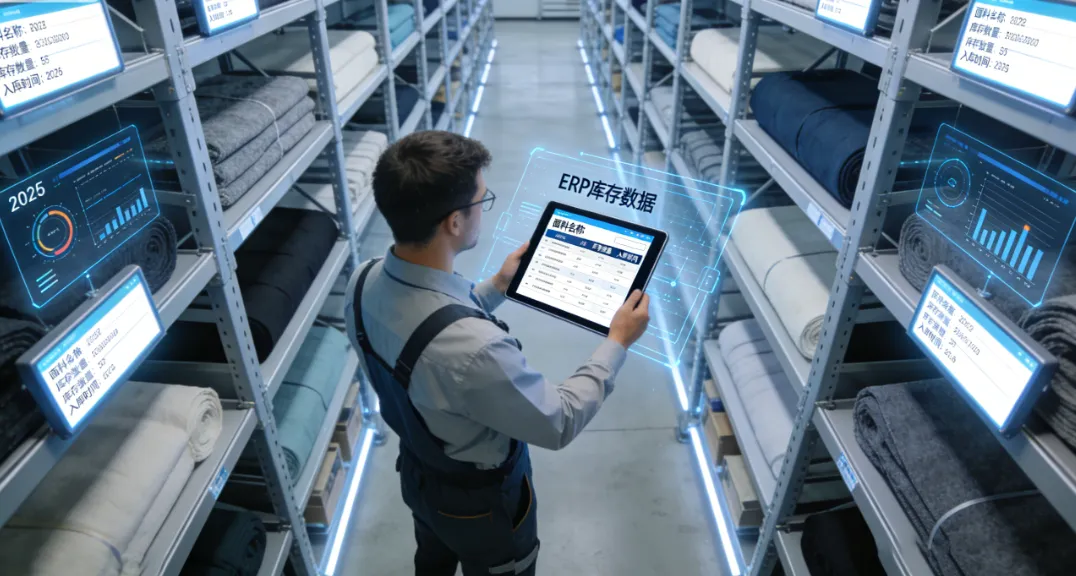
In the long run, ERP systems have built a digital management foundation for footwear and apparel enterprises, achieving the integration of data from multiple departments such as finance, human resources, and sales, breaking down information silos, and allowing managers to gain real-time insights into business conditions and make scientific decisions. For enterprises with overseas layout, ERP systems can be integrated with cross-border e-commerce platforms and customs supervision requirements, optimize export processes, enhance compliance, and reduce trade risks. In terms of green transformation, ERP systems can track data on the use of environmentally friendly materials, energy consumption and emissions, helping enterprises meet green certification requirements and align with policy guidance and market demand. In 2026, the competition in the footwear and apparel industry has upgraded to a competition of efficiency and resilience. The deep application of ERP systems will help enterprises stand firm in the wave of transformation and achieve a leap from "manufacturing" to "intelligent manufacturing".