
Comprehensive Strategy for Annual Quotation and Selection of Shenzhen Clothing ERP in 2026: Precise Breakthrough of Digital Transformation
As the core of China's clothing industry cluster, Shenzhen has gathered thousands of clothing enterprises covering the entire chain of design, production, and sales, possessing the industry characteristics of fast fashion iteration, wide multi-channel layout, and diversified category segmentation. In 2026, under the triple background of upgraded consumer demand, stricter green compliance, and accelerated digital transformation, ERP systems have been upgraded from "optional configurations" for clothing enterprises to "survival necessities" - it can not only solve core pain points such as multi SKU management, supply chain collaboration, and cost accounting, but also help enterprises connect with cross-border e-commerce, adapt to green trade rules, and accurately break through the competitive landscape of increased industry concentration. However, Shenzhen's clothing enterprises have significant differences in scale and demand, with chaotic ERP market quotations and serious product homogenization. How to accurately match budget and demand, and avoid selection traps, has become the primary challenge for most enterprises' digital transformation. This article combines the latest developments in the Shenzhen clothing ERP market in 2026, breaks down the quotation system, sorts out the selection logic, and summarizes the key points to avoid pitfalls, providing a comprehensive strategy that can be implemented for clothing enterprises of different scales.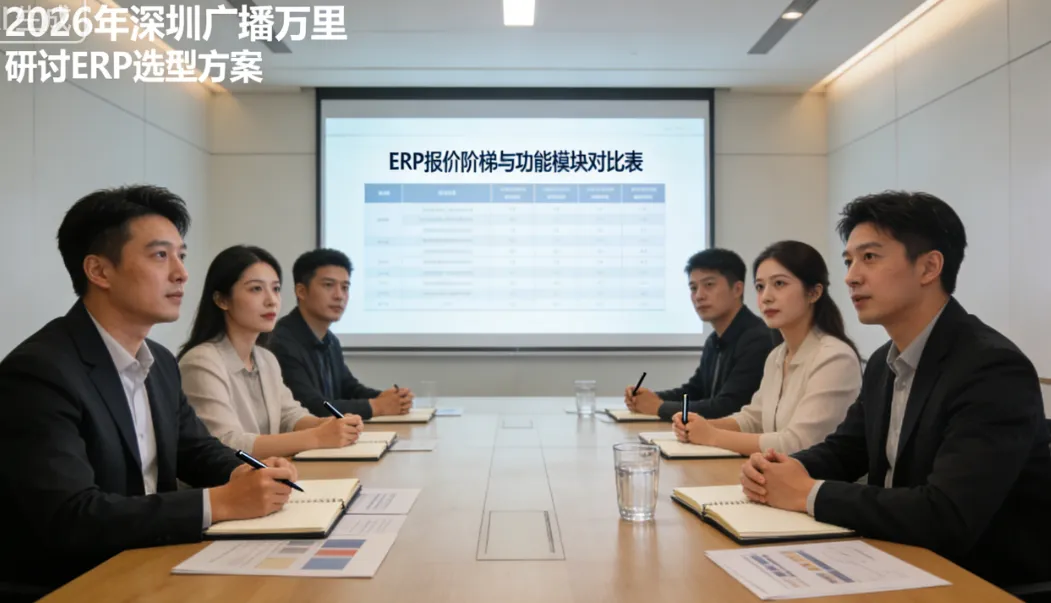
In 2026, Shenzhen's clothing ERP quotation presents the core characteristics of "layered adaptation and on-demand pricing". The price gradient is deeply bound to the enterprise scale, deployment mode, and functional complexity, without a unified standard, and needs to be accurately calculated based on its own business scenarios. From the deployment mode perspective, the mainstream is divided into two categories: SaaS cloud deployment and on premises deployment, with significant differences in cost structure between the two. The SaaS model does not require additional hardware investment and is billed on an annual subscription basis, catering to the lightweight needs of small and medium-sized enterprises. The average annual cost per user is about 300 yuan, and the overall annual cost range covers 3000 to 100000 yuan. Among them, the basic version for small and micro enterprises (1-5 stores/10 people or less) only costs 3000 to 20000 yuan, which can cover core needs such as inventory counting, basic finance, and simple color code management. Products such as Kingdee Jingdou Cloud (clothing version) and Housekeeper Clothing SaaS are the mainstream choices for this group; The annual fee for the advanced version for medium-sized enterprises (5-20 stores/10-50 people) is 20000 to 100000 yuan. It adds functions such as omni channel inventory synchronization, e-commerce platform docking, and supply chain collaboration to meet the needs of multi-channel operations. Ross R6, Jike Cloud Clothing Edition, and others occupy a certain market share with their local service advantages.
The local deployment mode is suitable for medium to large enterprises and export-oriented enterprises, which need to bear the initial authorization fee and annual maintenance fee (about 15% -20% of the authorization fee). It has stronger data controllability and is easier to adapt to cross-border compliance requirements. Among them, the annual expenses of medium and large enterprises (more than 20 stores/more than 50 people) can reach 100000-500000 yuan, supporting functions such as multi factory scheduling, BI data analysis, and refined color code control. The compatibility of solutions such as UFIDA U8 cloud and Kingdee Cloud Starry Sky is strong; Large conglomerates with multiple brands and cross regional operations require in-depth customized development, covering high-level needs such as group management, carbon footprint tracking, and global supply chain collaboration. The annual cost is generally above 500000 to 2 million yuan, SAP S/4HANA、 Yonyou NC Cloud and other high-end solutions are more in line with its strategic needs. It is worth noting that in addition to software fees, implementation fees (usually 10% -30% of software fees), training fees, data migration fees, and other value-added services need to be separately accounted for. Local service providers in Shenzhen often provide regional exclusive quotations with a bargaining space of about 5% -15%. Enterprises can compete for discounts based on their willingness to cooperate.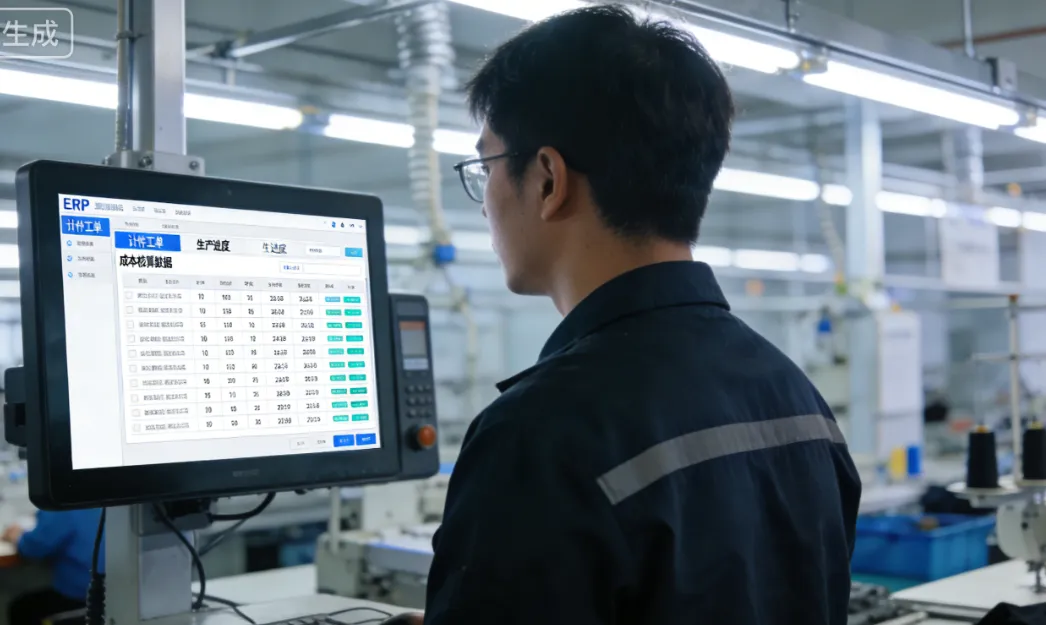
The core influencing factors of pricing can be summarized into three categories. Enterprises need to break away from the misconception of "first year price" and focus on cost control throughout the entire lifecycle. One is the selection of functional modules. The prices of basic inventory and financial modules are stable. If special modules such as production planning, PLM product lifecycle management, cross-border e-commerce docking, carbon accounting are added, the cost will increase by 30% -80%. It is recommended to prioritize the protection of core functions in the service industry such as color code management and seasonal quick response. Non core functions can be stacked through API docking in the later stage to avoid cost redundancy. The second is the degree of customization. Mild customization (field and process adjustments) requires an additional fee of 10% -20%, while deep customization (new module development) incurs an additional fee of 50% -200%, which will increase the difficulty of subsequent upgrades. It is recommended to control the customization ratio to no more than 20% of the total functionality. The third is service quality. The annual operation and maintenance fee includes system updates and basic technical support. The annual cost of exclusive consulting services is 30000 to 100000 yuan. Shenzhen enterprises prioritize selecting service providers with well-established on-site teams to ensure response times do not exceed 4 hours and reduce communication costs.
The core logic of selection is to prioritize scene adaptation, balance cost-effectiveness and scalability, rather than blindly pursuing "big and comprehensive". Based on the characteristics of the Shenzhen clothing industry, such as a large variety of styles with limited quantity, fast seasonal iteration, and complex channels, enterprises can follow a five step process to promote selection and improve accuracy. The first step is to anchor demand and accurately identify business pain points. Small and micro enterprises focus on inventory and financial control, medium-sized enterprises focus on multi-channel collaboration and production planning, and large enterprises focus on group control and cross-border compliance. At the same time, 1% -3% of annual revenue is reserved as a budget to match demand and budget. Companies such as Shenzhen Xuexianli and Koenigsegg Women's Wear have achieved efficient implementation through precise demand anchoring. The second step is to screen suppliers, focusing on three major criteria: industry adaptability, having similar customer cases, supporting clothing specific functions such as fabric BOM and size matrix; Local service capability, priority should be given to selecting service providers with well-established on-site teams to ensure that the implementation cycle for small and micro enterprises is controlled within 30 days, and for medium and large enterprises, it does not exceed 90 days; Ecological compatibility requires seamless integration with mainstream e-commerce platforms and logistics enterprises in Shenzhen, achieving full chain data connectivity.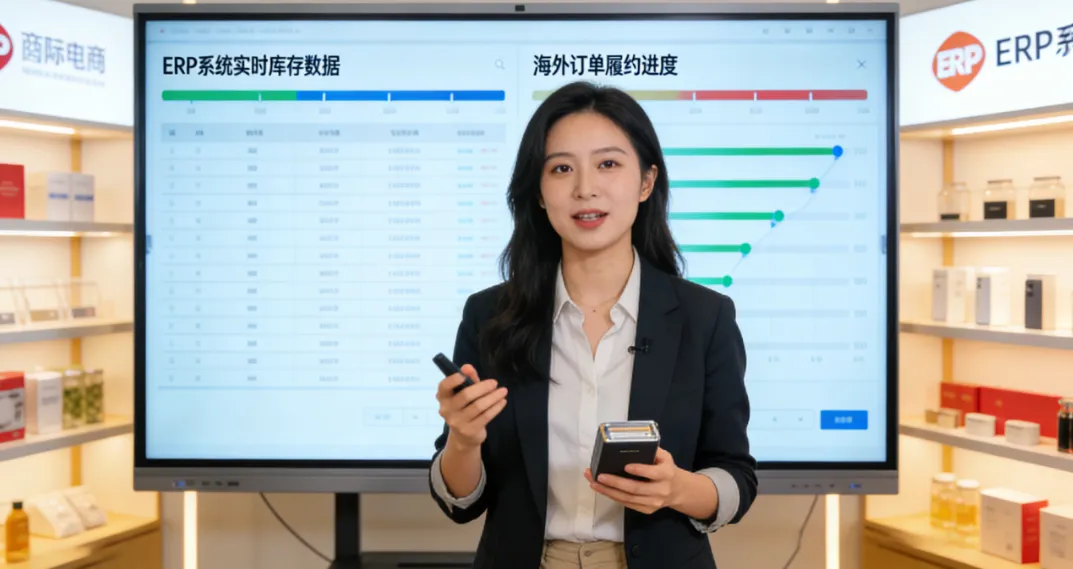
The third step of scheme verification, POC testing is the key. After applying for a demo, simulate the three core processes of new product sampling, procurement and warehousing, and e-commerce order fulfillment, focusing on testing SKU processing efficiency, data accuracy, and operational convenience. At the same time, verify data security qualifications - SaaS mode needs to provide Level 3 authentication, and local deployment needs to support data encryption and disaster recovery functions. The fourth step is to calculate the cost, comprehensively calculate the 3-year life cycle cost, including software fees, implementation fees, maintenance fees, etc., to avoid the hidden charging trap of small vendors' "free version" drainage. When signing the contract, clarify the module permissions. The fifth step is to avoid pitfalls in the contract, refine the rights and responsibilities clauses, agree in writing on the implementation period, overdue compensation standards, and acceptance standards, clarify the service content included in the maintenance fee, and clarify whether the system upgrade is charged.
The selection of Shenzhen clothing ERP in 2026 needs to keep up with three major industry trends, taking into account both current demand and long-term development. One is the acceleration of localization substitution, with local manufacturers such as UFIDA and Kingdee occupying 68.2% of the market share, which is more in line with the business logic and compliance needs of domestic enterprises, and has better adaptability than international brands. The second is the popularization of AI and low code technologies. The penetration rate of AI driven demand forecasting and intelligent production scheduling functions exceeds 50%. Low code platforms allow business personnel to independently configure processes, reducing dependence on IT teams. The third is the upgrading of green compliance, with carbon footprint tracking and ESG disclosure functions gradually becoming essential modules for medium and large enterprises, adapting to the global trend of green trade development. At the same time, four major misconceptions need to be avoided: refusing to blindly pursue "big and comprehensive", and avoiding redundant functions that increase costs; 68% of ERP project failures are due to a disconnect between implementation and business, without neglecting implementation and implementation; Not omitting implicit costs, comprehensively accounting for the entire lifecycle expenditure; Do not neglect data security, especially export enterprises need to ensure data compliance and cross-border transmission security.
For Shenzhen clothing enterprises, ERP selection is not simply software procurement, but a key layout for digital transformation, and it is also the core lever for enterprises to improve quality and efficiency, and break through growth bottlenecks. In 2026, industry competition has upgraded to a competition of digital capabilities, and small and micro enterprises need to use lightweight ERP to achieve refined management and cost control; Medium and large enterprises need to break down collaborative barriers and enhance supply chain resilience through full chain ERP systems; Export oriented enterprises need to rely on compliant ERP to adapt to international rules and expand overseas markets. Only by based on our own scale and business needs, accurately dismantling the quotation system, adhering to the selection logic, and avoiding industry traps, can we choose a highly adaptable and cost-effective ERP system, reconstruct operational efficiency with digital tools, accurately break through the tide of upgrading the Shenzhen clothing industry, and achieve high-quality development.