
From BOM to Workshop: Why Shoe and Clothing Factories Cannot Use the Same ERP System
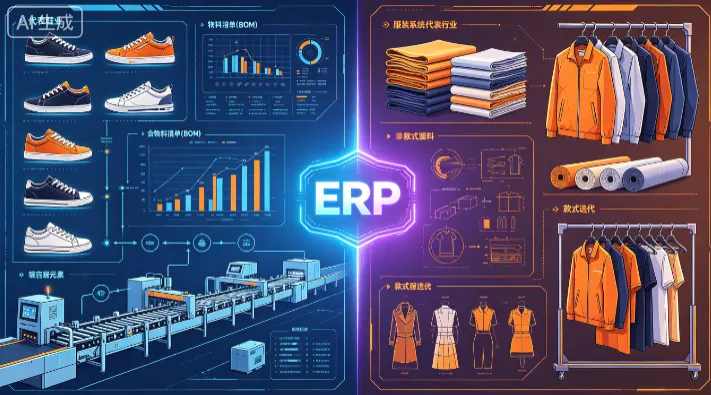
In the fields of fashion and manufacturing, the footwear and apparel industries are often collectively referred to as the "textile, clothing, footwear, and hat industry", but in the application of enterprise resource planning systems (ERP), the two present completely different faces. Choosing the wrong system can result in smooth business processes, and in severe cases, exacerbate inventory backlog and production chaos.
This article will start fromMacro management focus与Micro production manufacturingTwo dimensions, in-depth analysis of the essential differences between shoe ERP and clothing ERP.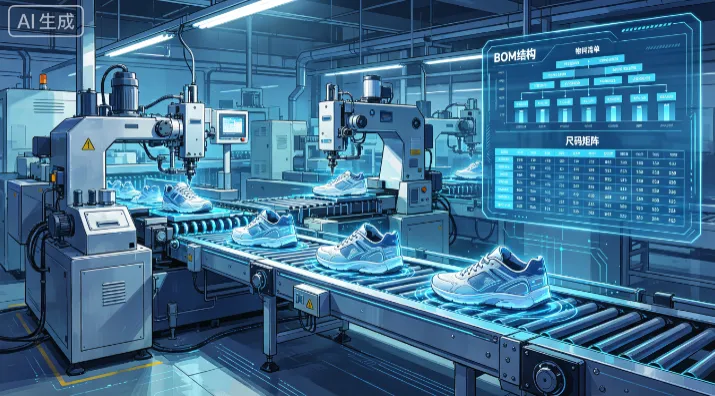
1、 Macro Differences: Supply Chain Logic and Commodity Attributes
1. Product attribute management
-
Footwear ERPThe core difficulty lies inSize Matrix与Structural complexityA pair of shoes consists of multiple components such as outsole, midsole, upper, and accessories, and each size of component may have physical differences (such as shoelace length and outsole size). The system must supportRefined management by size dimension。
-
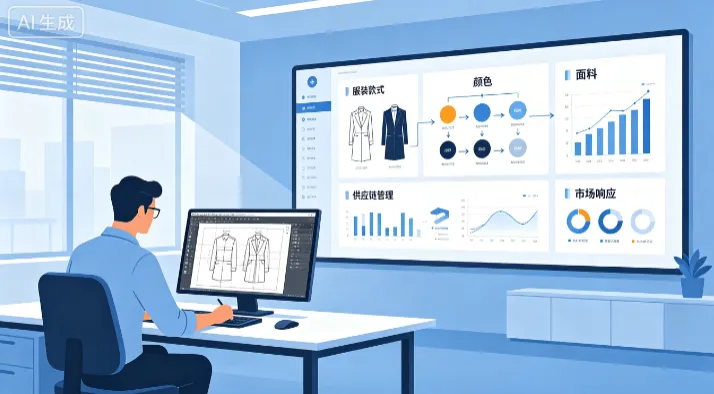
Clothing ERPKey focusStyle, color, fabric, and patternDifferent colors of the same garment may use completely different fabrics and accessories. The system needs powerfulAttribute configuration functionTo cope with the situation of "one garment with multiple materials".
2. Supply Chain and Market Response
-
Footwear ERP: EmphasizeInternal and external supply chain collaborationShoe production relies on a large number of externally purchased components (soles, shoelaces, etc.), and the system needs to closely coordinate with upstream suppliers to ensure that complex materials are delivered on time and avoid the entire production line being shut down.
-
Clothing ERP: More emphasis onDesign to market full chain speedThe clothing industry is driven by fast fashion, and the system needs to assist enterprises in quickly linking design, pattern making, production, and sales to shorten lead time.
2、 Microscopic Differences: Four Major Differences in Production and Manufacturing Processes
This is the most significant difference between footwear and clothing ERP, stemming from the fundamental difference in their physical structures - shoes are three-dimensional and composite; Clothing is flat and flexible.
1. Structure of Bill of Materials: Depth and Breadth
| dimension | Footwear ERP | Clothing ERP |
|---|---|---|
| BOM level | Multi level and deep level(such as finished shoes → upper → cutting → lining) | Relatively flat(Finished product → Cut piece → Auxiliary material) |
| Material Characteristics | Mixed form: flake (leather), liquid (glue), solid (outsole) | Mainly in rolls (fabric) and dots (accessories) |
| Core difficulties | The BOM usage for the same style but different sizes varies greatly and requires independent maintenance | Batch maintenance driven by specifications (such as bust circumference → length → fabric usage) |
2. Production process and process management
-
Footwear ERP: Long process, discrete manufacturing
-
Typical path:Cutting → Needle carriage → Forming → SortingThe "forming" process involves multiple steps such as brushing, pasting, and baking, with strict requirements for temperature and time.
-
The system needs to be managedVarious forms of semi-finished products(cutting stack, upper surface), and able to trace material batches (such as color difference of leather and expiration date of glue).
-
-
Clothing ERP: assembly line, flexible manufacturing
-
Typical path:Cutting → Sewing → Finishing → Inspection。Sewing processIt is the core value, usually adoptedSuspension systemOr bundling flow.
-
ERP needs to be integrated withCAD/CAM (Computer Aided Design/Manufacturing) systemDeep integration, directly reading the layout diagram, calculating the difference between theoretical materials and actual cutting materials.
-
3. Material consumption and cost control
-
Footwear ERP: Emphasizing Accurate Measurement and Error Prevention
-
Need to manageVolatile materials(Glue, treatment agent), accurately feed according to the formula and consider losses.
-
Batch tracking is keyIf the viscosity of a batch of glue does not meet the standard, the system can quickly locate the affected product range and inventory location.
-
-
Clothing ERP: Focusing on Fabric Utilization Efficiency
-
The cost of fabric accounts for 60% -70% of the total cost, and the core of the system isAccurately calculate unit consumptionAnd optimize itUtilization rate of cutting bed。
-
Need supportSpecial layoutComplex cutting methods such as grid fabric and cross cutting can significantly increase losses, and ERP should be able to define such process rules.
-
4. Production Planning and Scheduling Logic
-
Footwear ERP: Dual Constraints of Materials and Production Capacity
-
High production switching costs (changing molds, adjusting baking line parameters), tend tomass productionTo reduce the number of wire changes.
-
The plan needs to be given special considerationbottleneck process(such as the length of the molding assembly line and the number of skilled needle drivers).
-
-
Clothing ERP: Demand Driven, Mixed Flow Production
-
Style switching is relatively simple (changing pressure feet, adjusting needle spacing), and can be achievedSmall batch, multiple stylesMixed flow production.
-
The planning module needs to be able to respond quicklyInsert and modify ordersRecalculate material requirements and evaluate production capacity load to adapt to fast response orders.
-
3、 Summary and selection suggestions
| comparative dimension | Footwear ERP | Clothing ERP |
|---|---|---|
| core focus | Structural complexity, material matrix, supply chain collaboration | Fashion speed, fabric utilization rate, style iteration |
| Core BOM challenges | Maintain multi-level usage by size/component | Maintain fabric properties by color/size |
| Production form | Long process, discrete manufacturing, multiple procedures | Production line, sewing as the core, continuous flow |
| Key integrated systems | Cutting bed, forming line data collection, mold management | Hanging system, CAD/CAM cutting machine |
| Typical applicable enterprises | Manufacturers of sports shoes, leather shoes, and functional shoes | Fashion, workwear, underwear, and home textile enterprises |
Selection Recommendation
-
If you are a shoe factoryPrioritize the consideration of ERP forComplex BOM和Multi level process flowManagement ability. Request system supportWorkshop process level reporting和Inventory of work in progress productsfunction Special attention should be paid to whether the system can handle "BOM differences of different sizes for the same shoe model".
-
If you are a clothing factoryKey evaluation of ERP andThe integration capability of CAD/CAM systems, andmaterial requirement planningAccuracy. Examine itCrop optimization和Sewing assembly line balancefunction The ability to quickly insert and modify orders is the lifeline of clothing fast response business.
Understanding these differences is not only a prerequisite for technology selection, but also the cornerstone for enterprises to achieve refined management. Whether it's shoes or clothing, choosing an ERP system that is highly compatible with one's own product logic is the only way to truly unleash system efficiency and build a digital moat in fierce market competition.